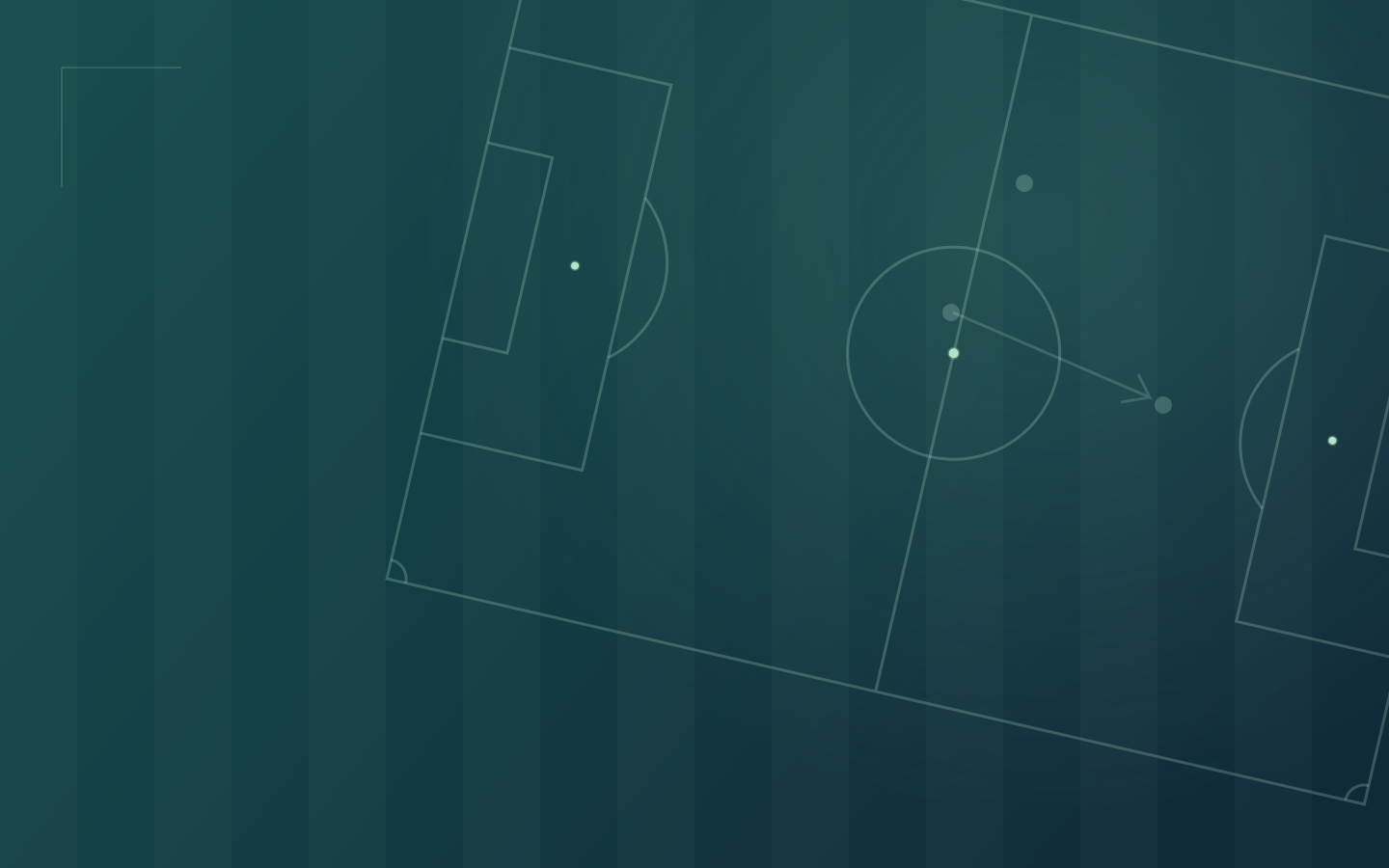
Read distance together with a passing route
NBA offensive spacing does not appear automatically when players spread as far apart as possible. The ball handler needs a route that can be seen and reached, while the receiver needs an angle for the next action. Players can look widely separated yet remain covered by the same defensive line. When assessing space, ask whether the ball can actually arrive safely and on time. A wide position that cannot be connected to the possession may provide less immediate help than a closer position with a clear route.
Off-ball movement changes defensive decisions
A cut, an exchange of positions or a movement along the baseline can require defenders to decide who follows and who protects another area. Its usefulness depends on coordination with the ball handler and the other attackers. Moving toward the basket without regard for the rest of the action can obstruct a driving lane instead of opening one. Neither constant movement nor complete stillness is automatically correct. The useful question is what problem the movement solves in this possession and whether teammates can use the change it creates.
Follow the help response into the next pass
When defenders move toward the ball, watch whether an off-ball teammate becomes visible as an outlet and whether that receiver has another connection available. An open attempt often follows several linked actions, not just the final pass. Retain those earlier movements when reviewing the play. They help explain both why an opportunity appeared and why a similar-looking action failed to produce one. This account concerns NBA tactical observation and contains no current team claim, invented tracking data or suggestion that spacing can be reduced to one diagram that works in every matchup.